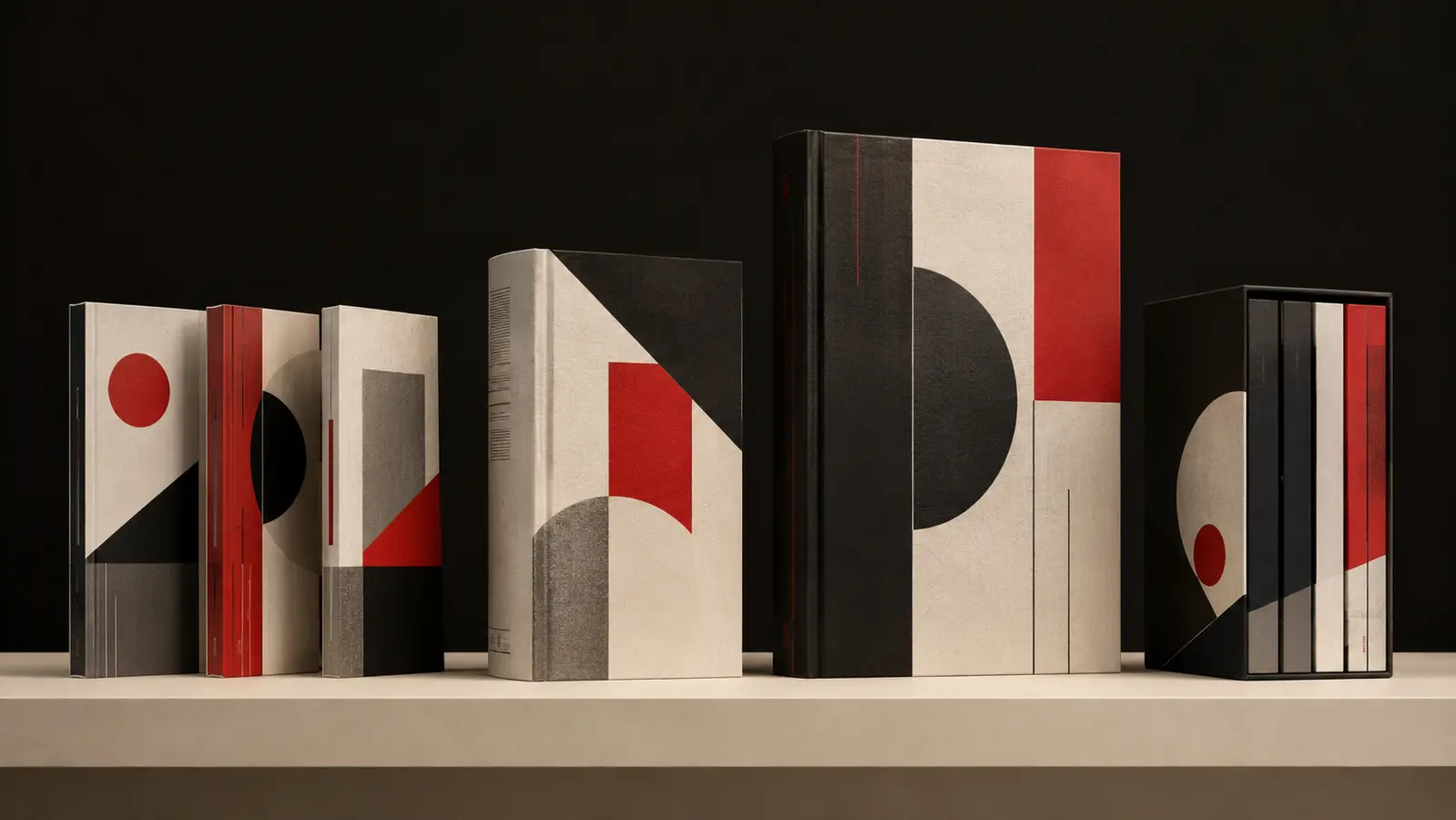
Volume 4 is not always the book you need next. If you own a three-in-one omnibus, its spine number describes a different package from Volume 4 of the singles. Buy by the number alone and you can end up with chapters you already own.
The useful question is: which original volumes or chapters does this particular book contain? After that, think about size, binding, price and whether you enjoy reading it.
The four formats collectors run into
Singles usually collect one original numbered volume in each book. They are easier to carry and let you buy a series gradually. A long run means more separate books to locate, and later reprints may have small design differences.
Omnibuses collect material from multiple original volumes. Two-in-one and three-in-one formats are common, but “omnibus” is not a universal multiplication rule. Check the publisher's contents for the book you are buying.
Deluxe or collector's editions describe a particular publisher's package. They may offer larger pages, hardcover binding, extras or several original volumes in one book. The word “deluxe” alone does not tell you how much story it contains or whether it is the best version for you.
Box sets usually bundle a stated selection of books. Check the included volume range and the language. A set can finish one story arc without completing an ongoing series.
Collector rule: compare the included original volumes or chapters, not only the new spine number.
That diagram is a simple three-in-one example. It is not a rule for every omnibus or deluxe release.
Three real examples of different numbering
Noragami Omnibus, Volume 1 contains original volumes 1–3, according to Kodansha's English edition listing. Its print ISBN is 9781646515554. If you already own singles 1–3, buying this omnibus gives you another format of that material. It does not advance your story coverage to volume 4.
Vinland Saga Deluxe, Volume 1 also contains Japanese original volumes 1–3, but in a different premium hardcover package. Kodansha's listing identifies the coverage and original bonus content. Compare the included originals when moving between English editions; matching the number on two different English spines is not enough.
The Chainsaw Man box set contains volumes 1–11 and a poster, as specified by VIZ. That is a defined range, not a promise that the box contains every future volume. If you already own singles 1–4, those four books overlap with the set.
These examples show why “books owned,” “original volumes covered” and “complete collection” are different numbers. Keep the first two separate, and only call a run complete when its edition coverage is confirmed.
Compare prices against the same amount of story
Use the price you can actually pay, including shipping, and compare equivalent coverage.
Suppose three singles cost $12 USD each and an omnibus containing the same material costs $25 USD. The singles cost $36 USD for that range; the omnibus costs $25 USD. That is an $11 USD difference before shipping. These are illustrative prices, not current retail offers.
Now add your existing collection. If you already own two of those singles, completing the singles might cost $12 USD. Buying the $25 USD omnibus would duplicate material you own. The cheaper format per original volume is not automatically the cheaper purchase for your shelf.
For deluxe editions, decide what the larger pages, binding and extras are worth to you. A higher price can be justified by a reading or display preference without pretending it is the cheapest way to own the story. Our manga budget guide goes into planning purchases without letting a sale choose them for you.
Check these details before buying
- Language and publisher: the same series can have different formats and numbering in different markets.
- ISBN: compare the listing with your copy or the publisher's exact format. Print and digital identifiers can differ.
- Included volumes or chapters: especially important for omnibuses, deluxe books and box sets.
- Format and dimensions: a heavy hardcover may be lovely on a desk and awkward on a commute.
- Condition and completeness: used sets can be missing books, inserts or their original box.
- Release status: an announced volume is not the same as a book available from your retailer today.
An ISBN helps identify a publication, but it does not necessarily distinguish every printing. If a seller is charging extra for a first printing, check the first printings and reprints guide before paying the premium.
Choosing a format without overthinking it
If you want to try a series cheaply, one single or a borrowed volume can be a sensible start. If you want fewer books and can comfortably read a thicker volume, look at an omnibus. If the artwork is a big part of the appeal, compare the actual page size and binding of a deluxe edition.
For box sets, count the books you still need. Then compare buying those individually with the delivered set price. Be wary of retailer listings calling a bundle “complete” without stating its range.
There is no need to replace a set you enjoy because a new edition exists. Mixed shelves are fine too. Just record the coverage so your next purchase fills a real gap.
Tracking editions in TankoVault
Start in the series directory and find the relevant English series. The series page groups indexed records into standard singles, omnibuses, collector/deluxe, box sets and other editions. Those are catalogue groupings, not a guarantee that every release has been found.
Open the individual book and compare its title, ISBN, publisher and format. Mark the edition you actually own. Keep the separate singles unowned unless you also have those copies.
The older address /manga/noragami is a Volume 22 edition record. Its short URL does not make it the complete series. Use the series link on an edition page to browse the associated run; check the English publisher's listing whenever the coverage is uncertain.
Use Wishlist for the edition you want next, then update ownership when it arrives. The collection tracking guide explains CSV imports and why reading history should stay separate from physical ownership.
You can start a Vault with a few known books. Getting those editions right is more useful than an impressive completion percentage built on mismatched formats.